I was saddened to hear that there are few remaining Jews in Poland. The few who survived the Holocaust returned, only to find their homes and farms occupied by others who refused to leave. And by then, Poland was under communist rule, which added yet another level of despair. So instead of staying, they moved to other parts of Europe, and many eventually to Israel. Most of the synagogues that remain are museums or libraries/bookstores.
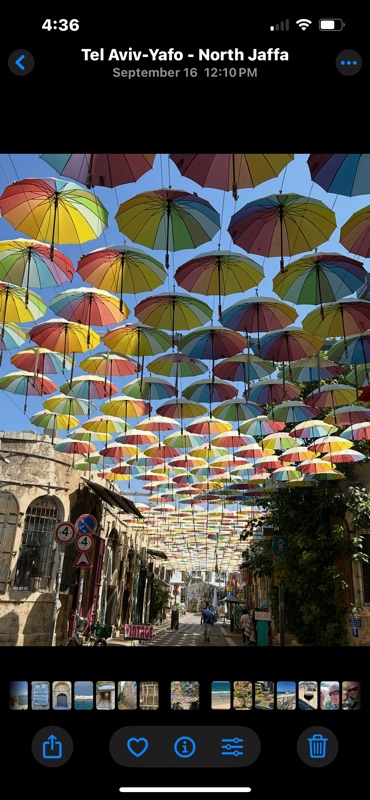
After ‘Schindler’s List’ was filmed here in Krakow, the people knew they needed to preserve this sad period of history, and thus began the restoration. Still, it was hard to identify what little remained of the Jewish Quarter, once thriving, and the Jewish Ghetto. I found this one, small spot in the middle of it all, and it was a sweet reminder of a market street in Israel…
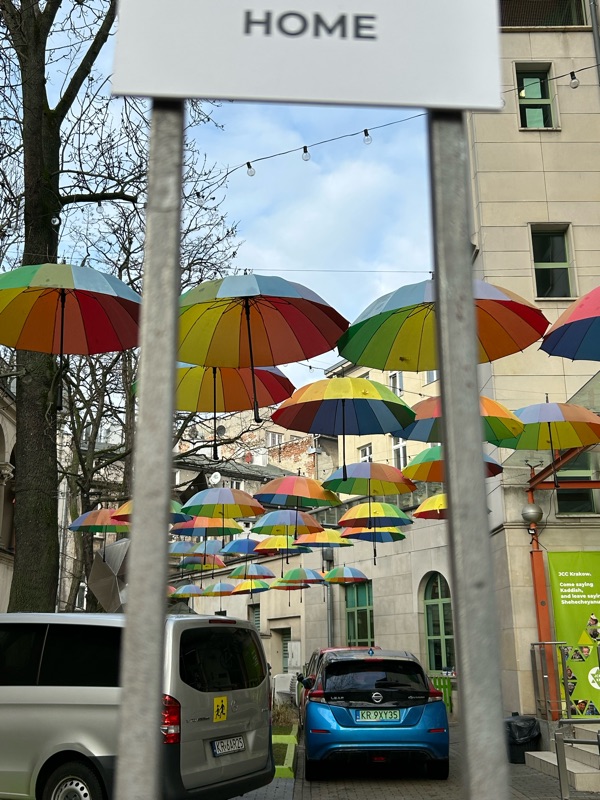
Krakow, Poland, and below, Tel Aviv…
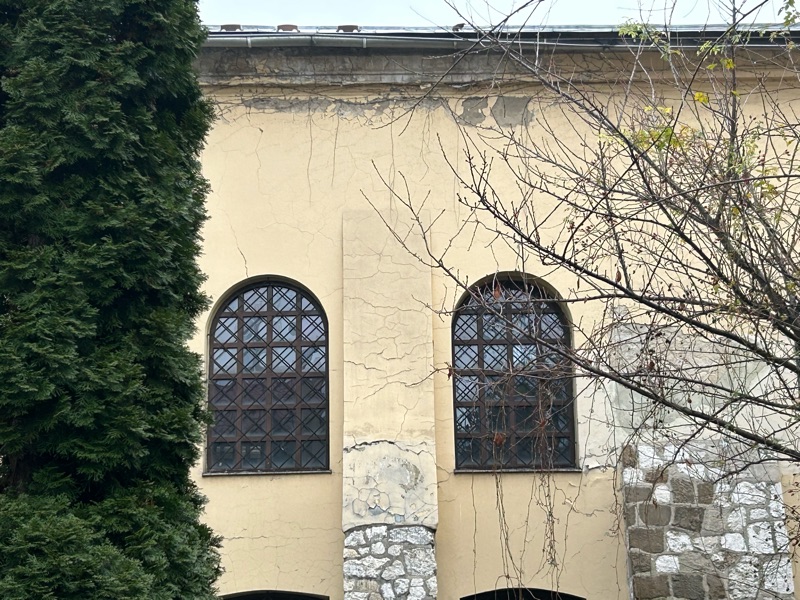
There are several synagogues in the neighborhood, and our guide said they were identifiable by their windows, which are always shaped like the tablets the ten commandments were written on. Most (all, really) did not have a sign of synagogue outside because of persistent persecution. That made me about as sad as when I read Israel does not stamp passports due to threat of persecution for the passport holder😔.
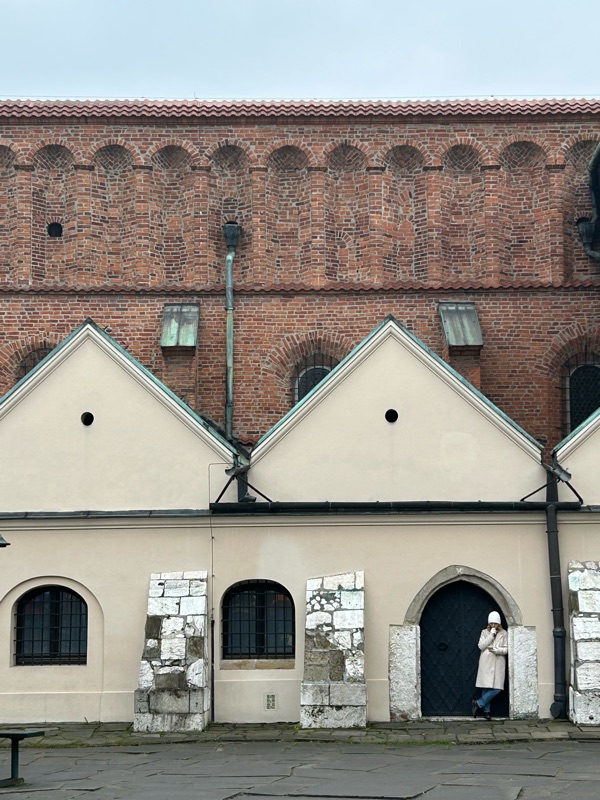
This particular synagogue above is the oldest in Poland. The Stara Synagoga. Now a museum.
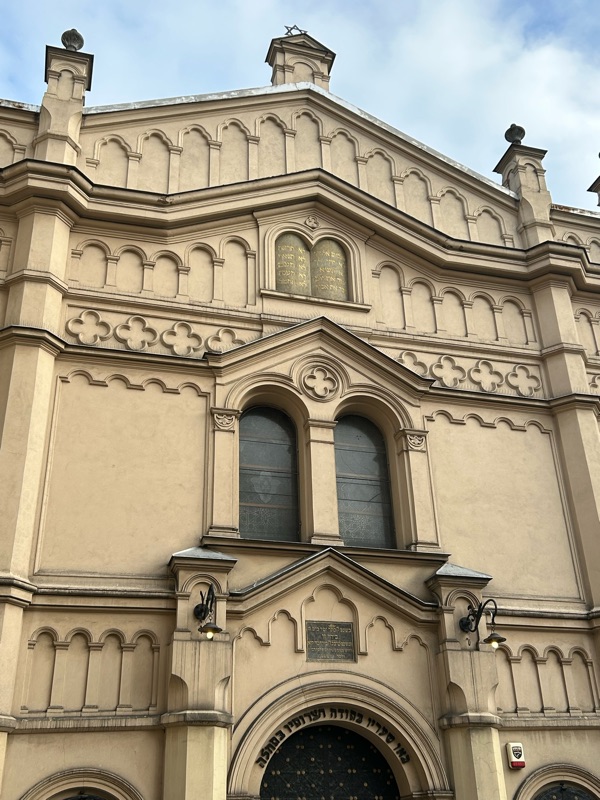
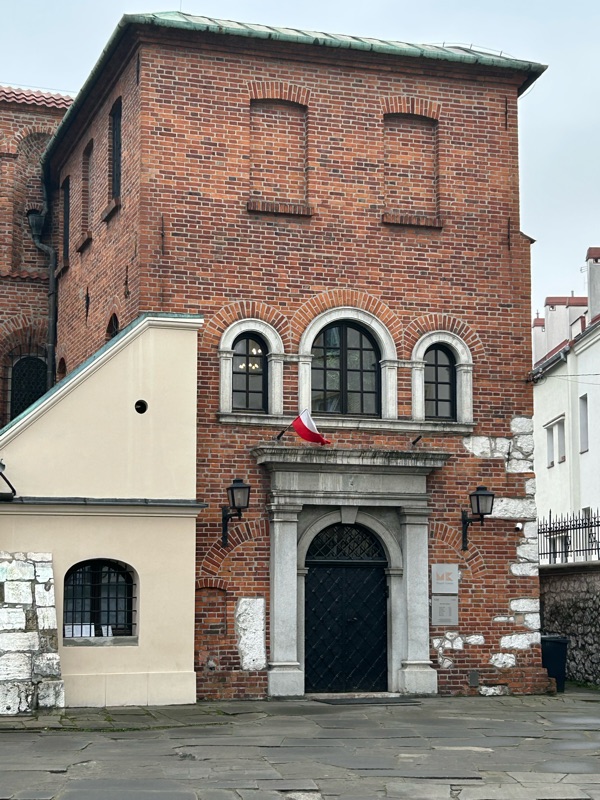
As time went on, we walked through the (former) Jewish Quarter, over the Vistula River, and into the Jewish Ghetto, where all were eventually forced to live until deportations could take place. The scenes along the way were very non-descript, but again, it wasn’t until Schindler‘s List was released (1994) that Poland realized they needed to preserve the history that happened here. All of the Spielberg’s movie was filmed here, on the NICE side of the river, as the area where the Jewish ghetto was located is still quite rundown.
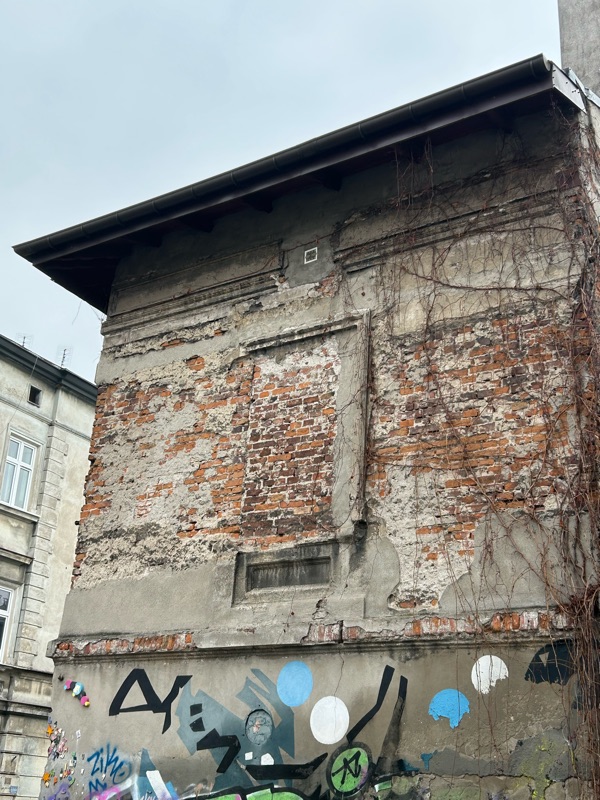
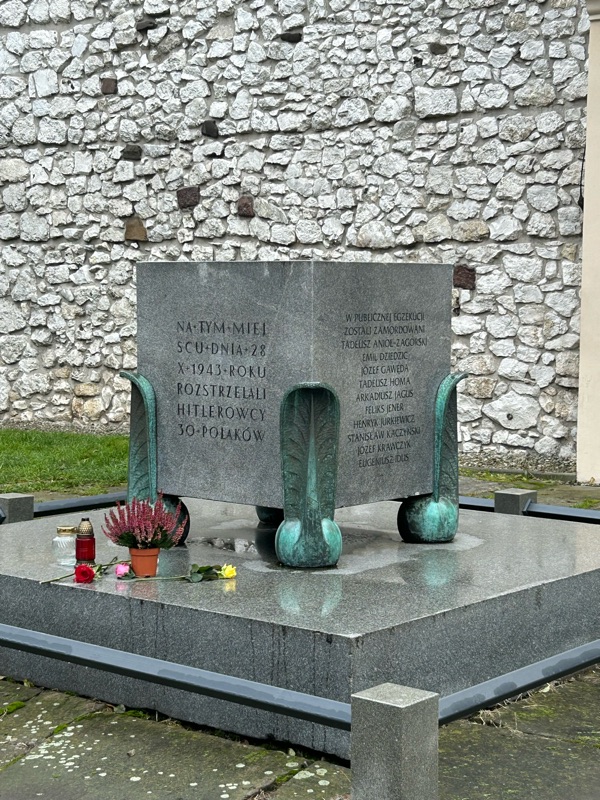
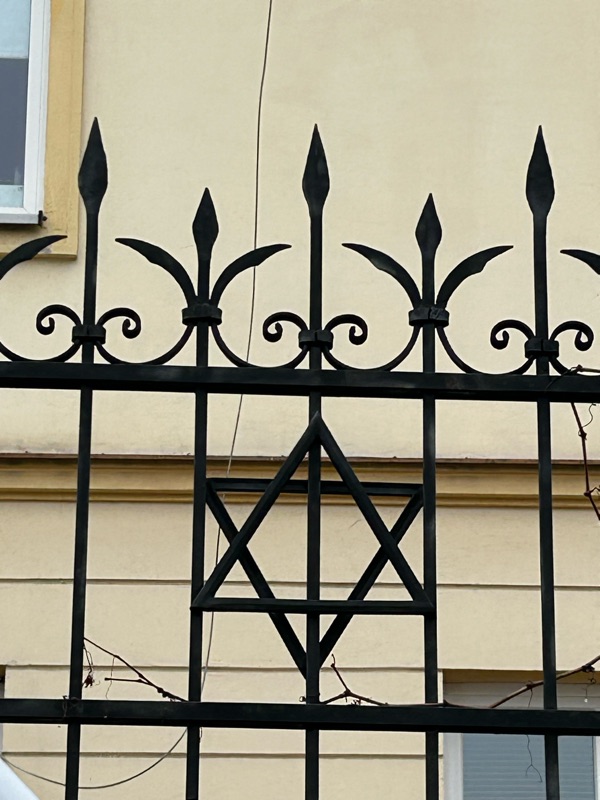
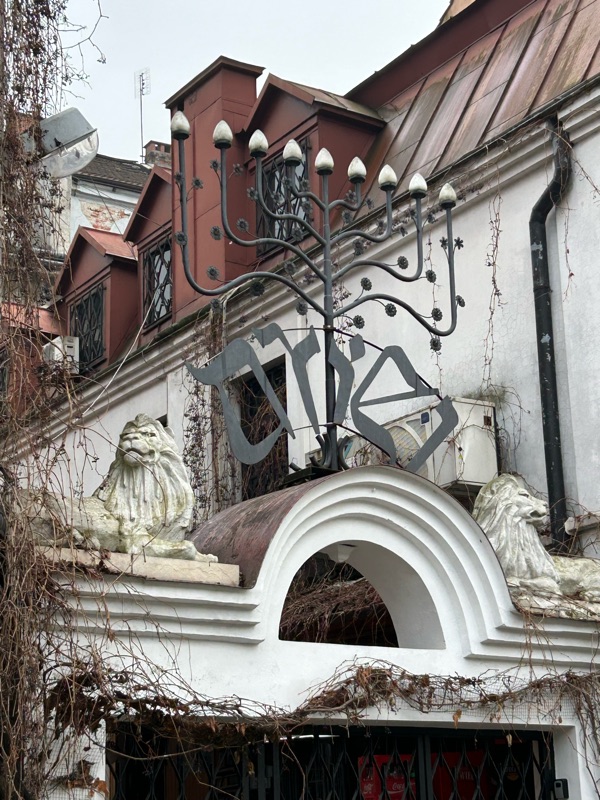
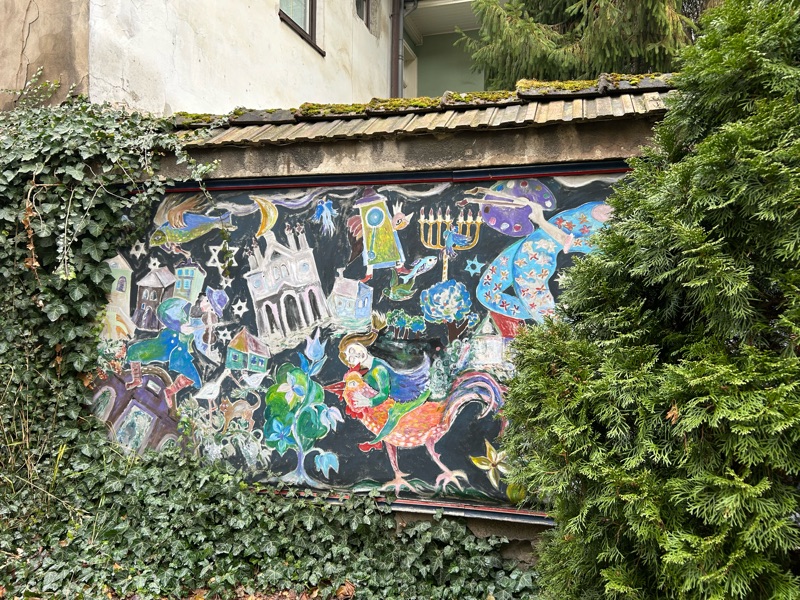
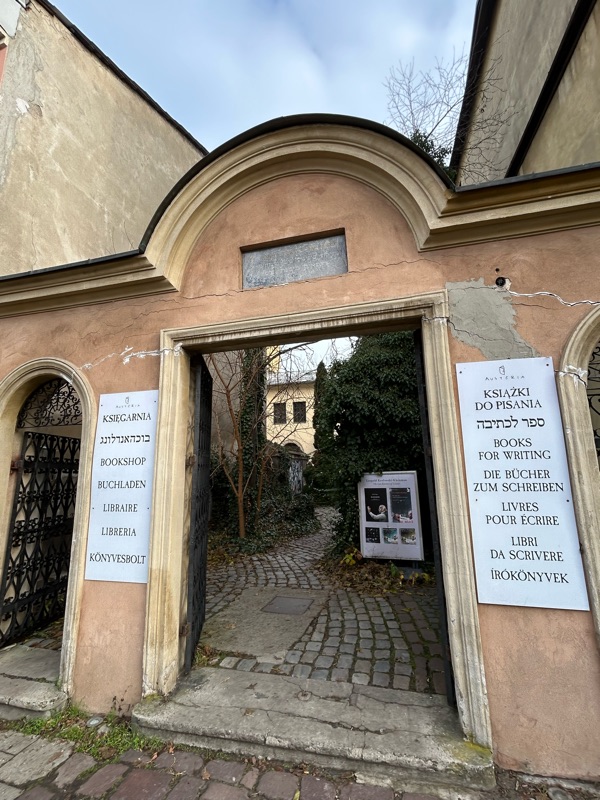
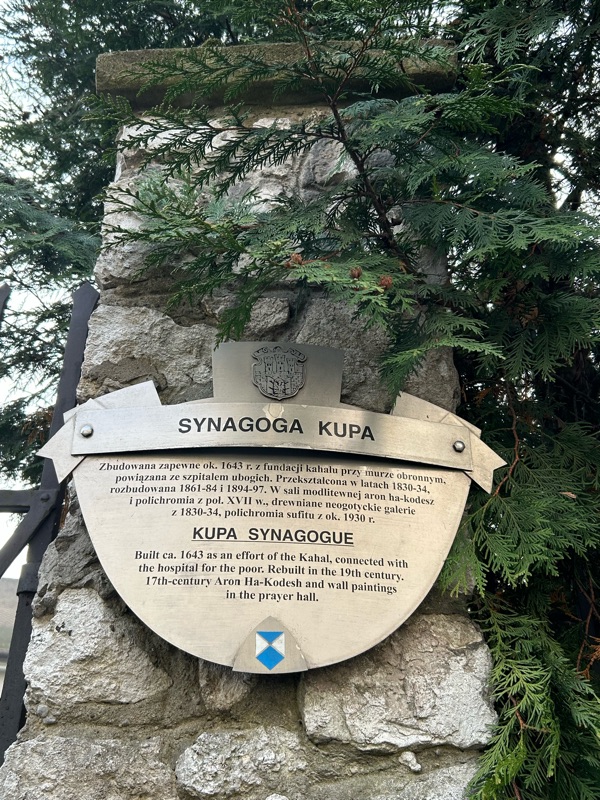
Yet another synagogue-turned-library.
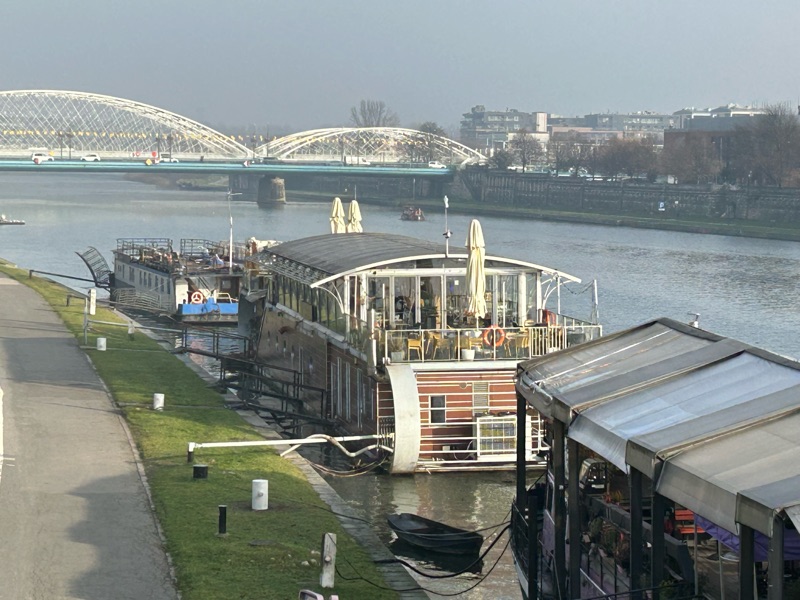
And the River Vistula…
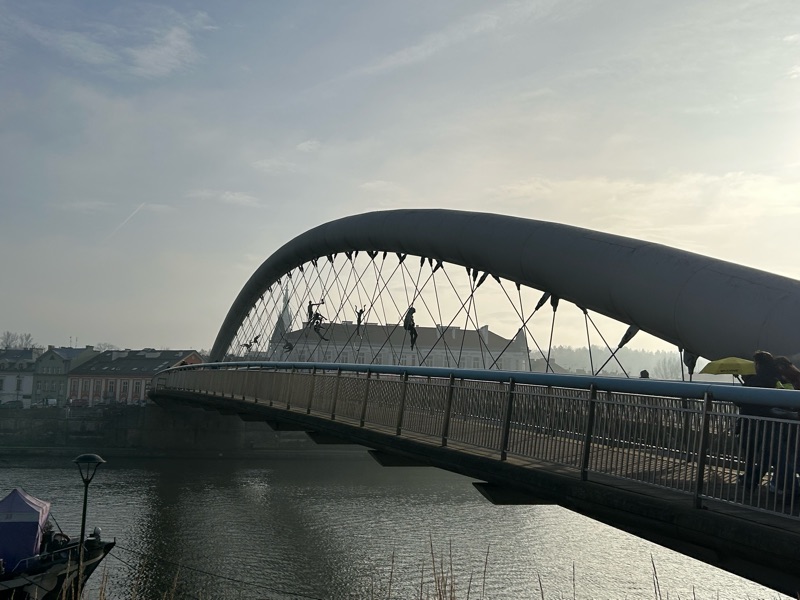
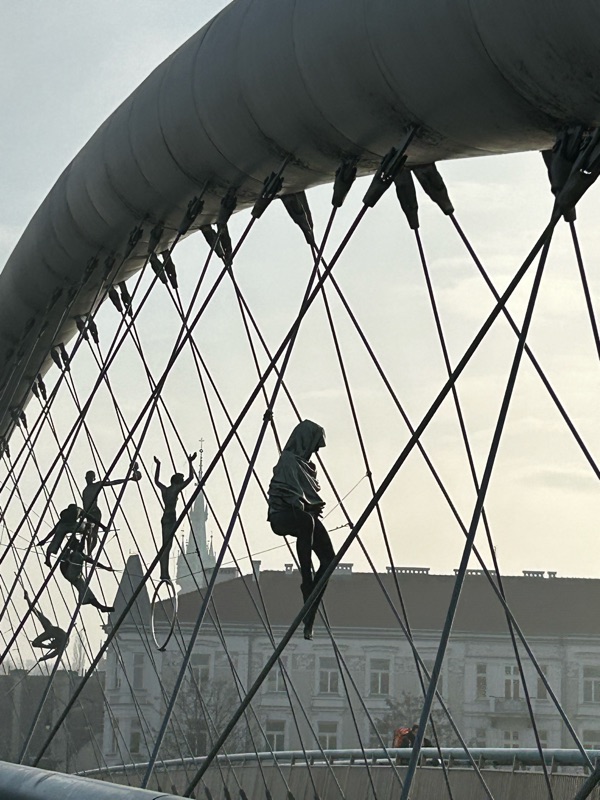
The people depicted here were performers rather than the Jewish people who endured so much at the hands of Nazi Germany.
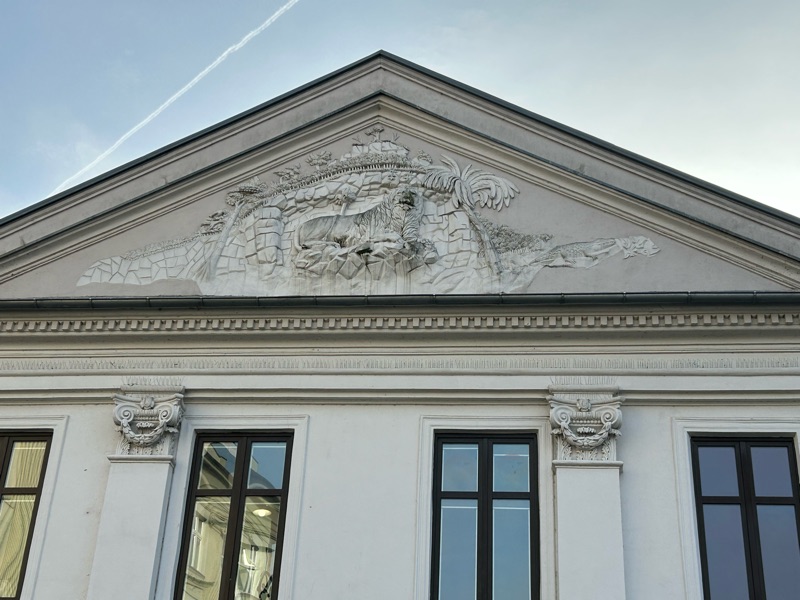
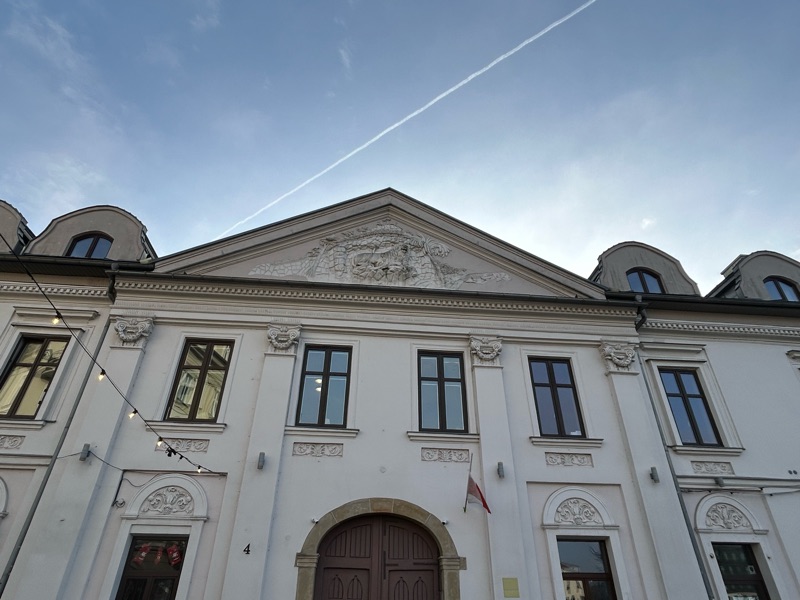
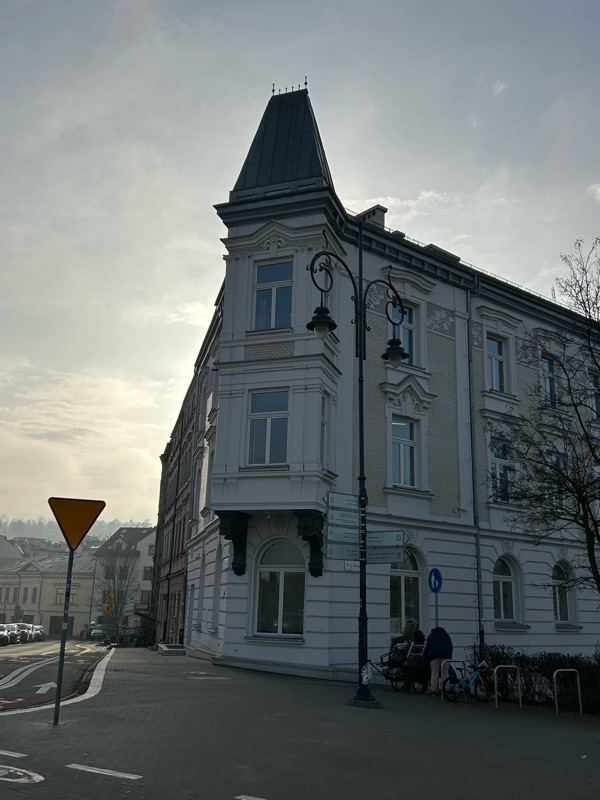
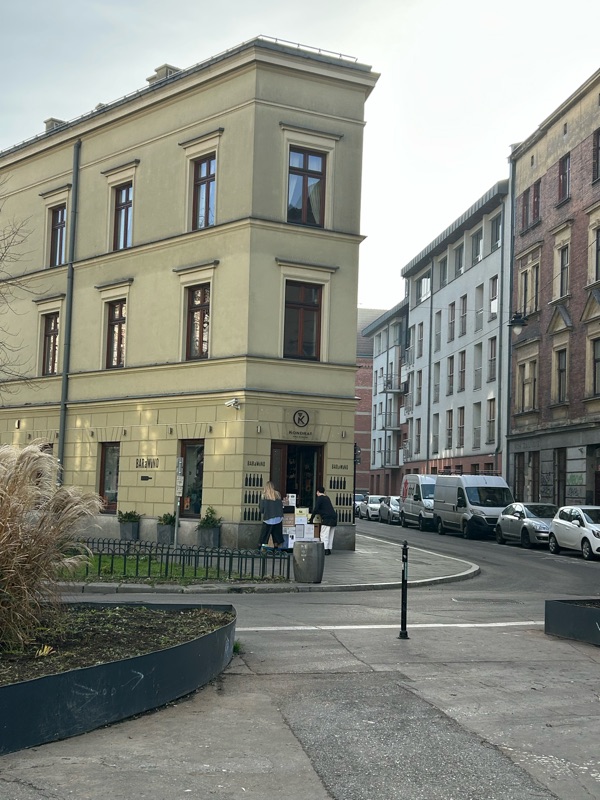
Just on the other side of the river things still appeared rather nice, and what you’d expect after so extravagant a bridge. But then…
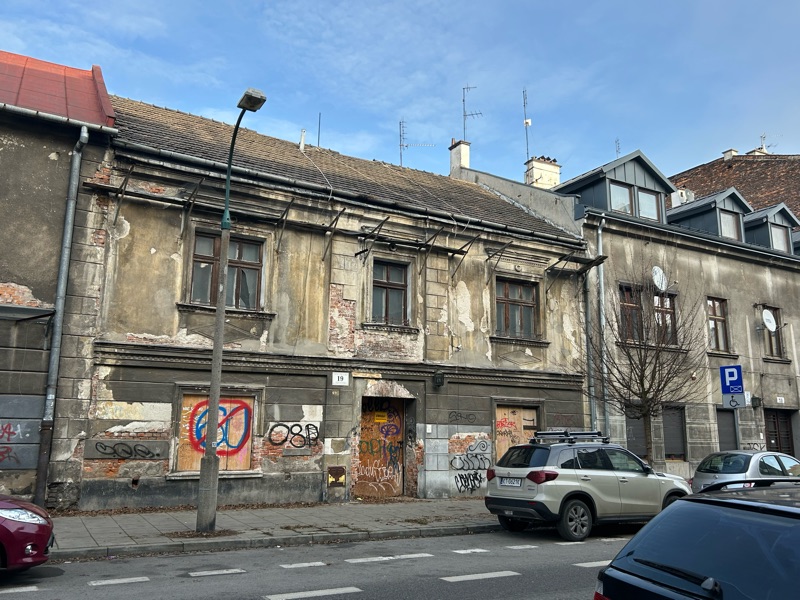
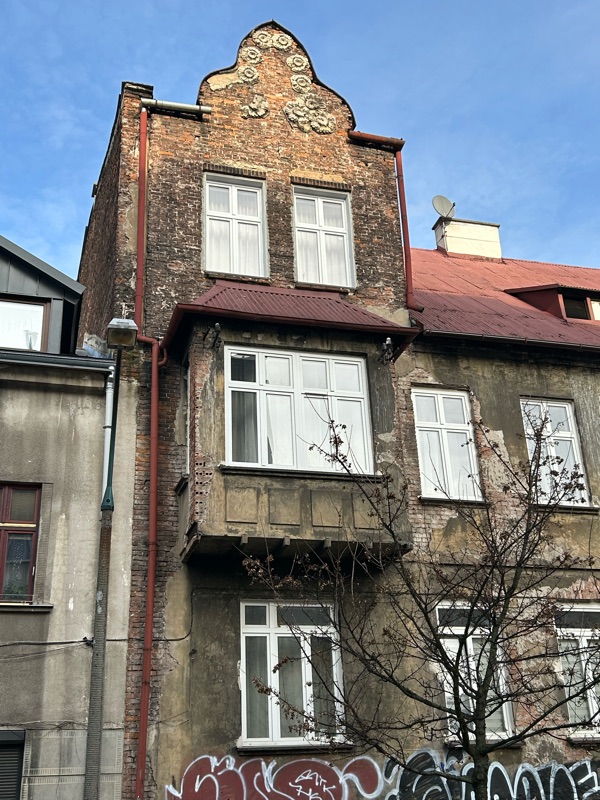
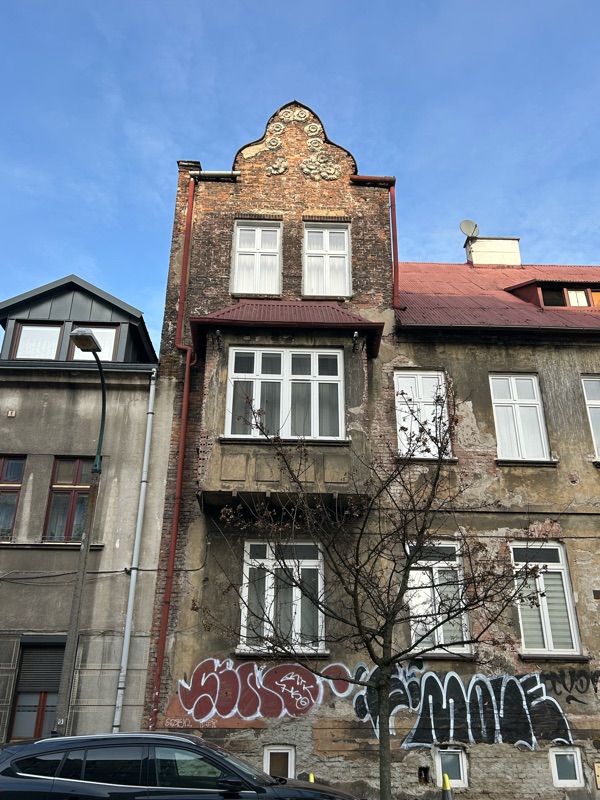
The further into the ‘ghetto’, the more run down it was. There is one, remaining portion of the wall built around the ghetto to keep those forced to live there inside.
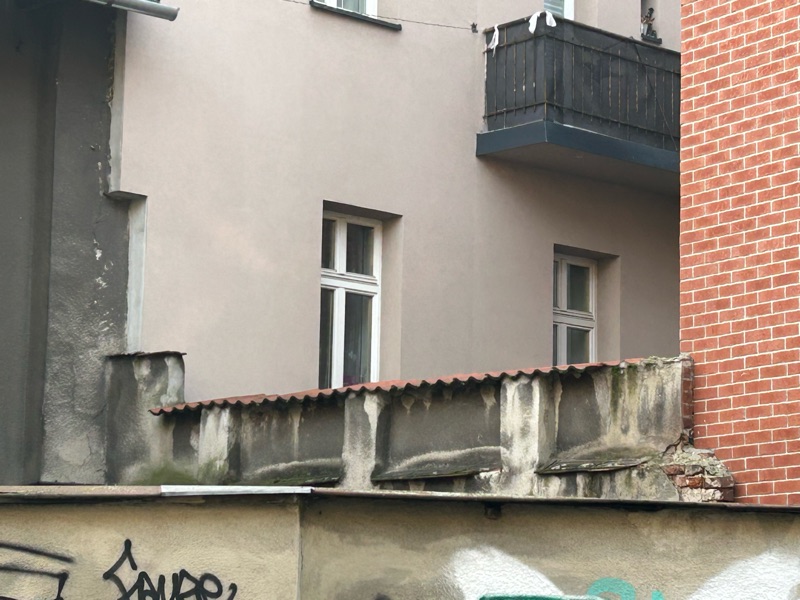
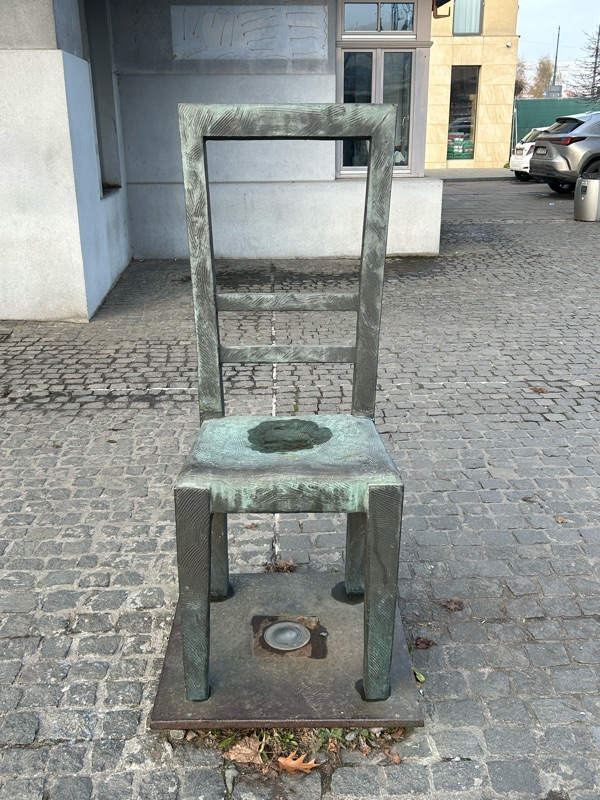
By 1943, all remaining Jewish people in Krakow had either been sent to the death camps, sent to work camps, or simply executed in the street. 'The Square’ is where the mass deportations took place, and the area is marked with solitary empty chairs, as a small tribute to those who never survived this dark period of history.
Among some of the heroes of the Holocaust was a pharmacist who lived in the Jewish Ghetto of Krakow, and as a gentile, he chose to retain his pharmacy there in the ghetto, where he was able to smuggle many children to safety. He wrote a book that I plan to order, and it is called ‘The Pharmacist of the Ghetto’. He, along with Oscar Schindler, are considered ‘righteous among the nations’, and memorialized forever in the Holocaust Museum in Israel.
Aptly, the day was cloudy and cold, and when we had come to the end of the tour, Plus One and I were ready for an inside, sit-down, comfort food lunch. We crossed the street and went into the first place we came to, and it was a happy ending to a sad two-and-a-half hours. The food was listed as Polish, but it was reminiscent of my German grandmother’s cooking 💕.
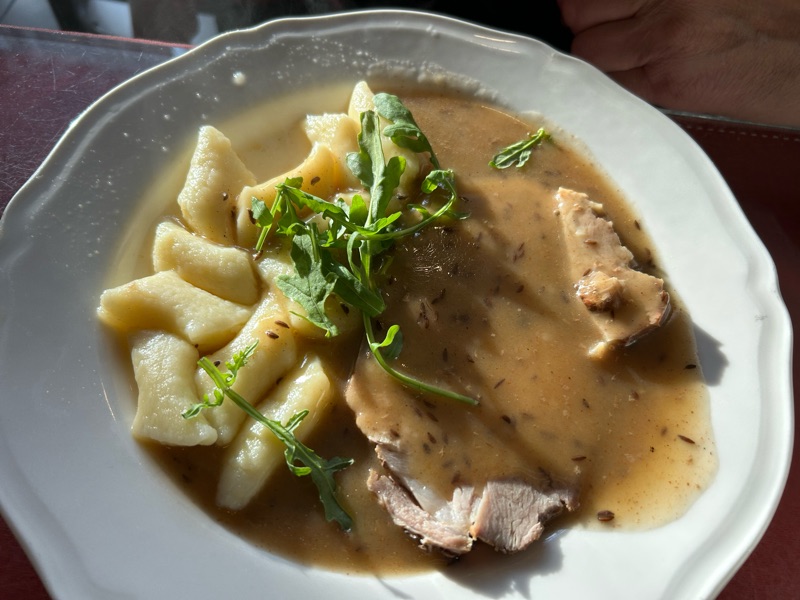
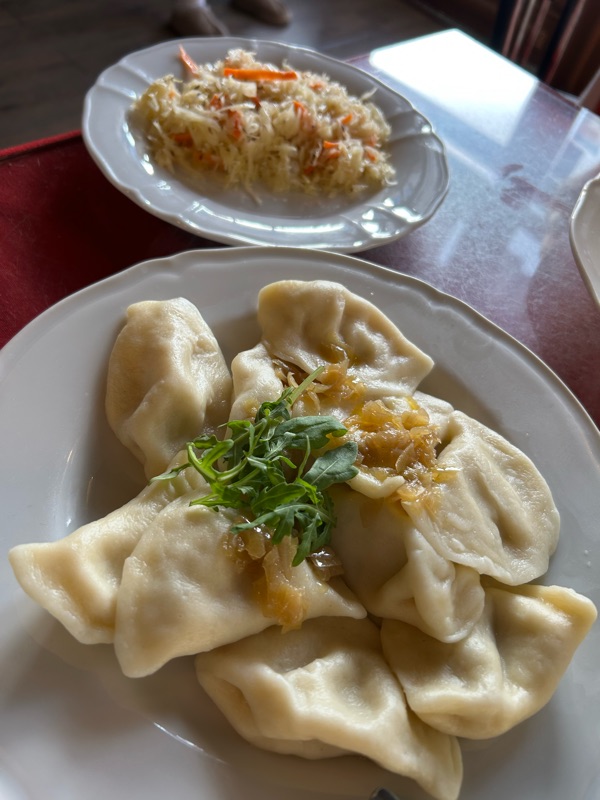
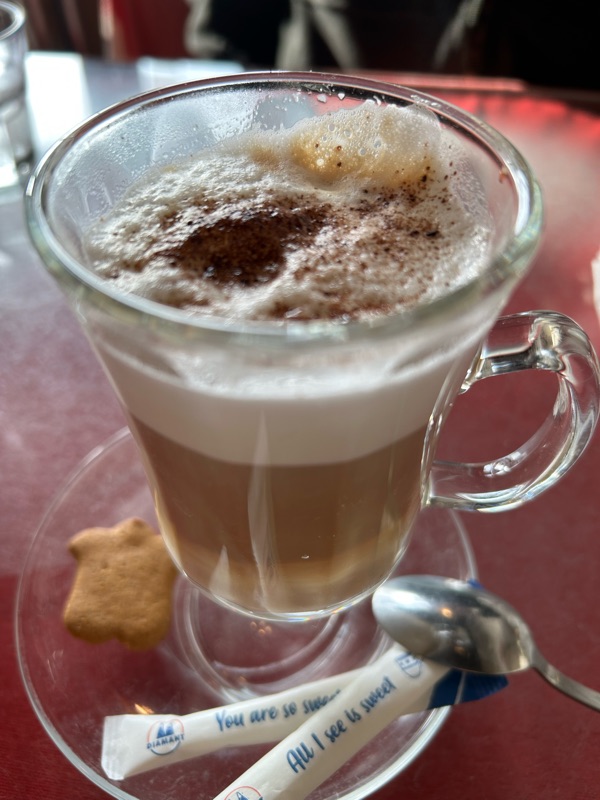
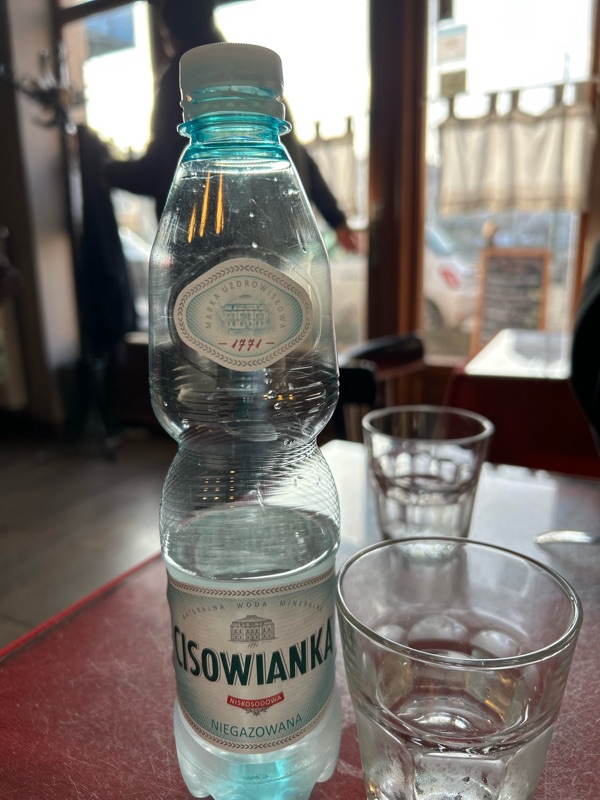
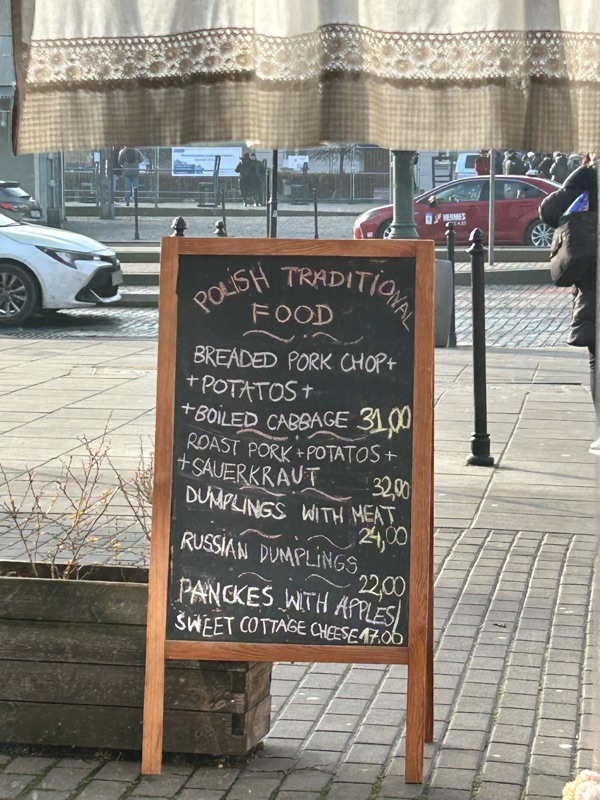
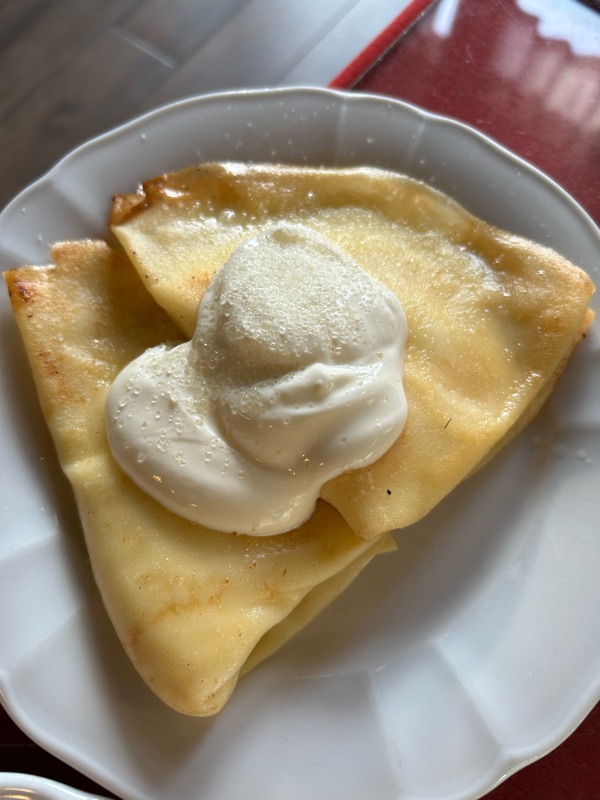
I ordered the Russian Dumplings, while Dean ordered the roast pork and potato noodles. We shared the sweet cottage cheese pancakes afterwards. It was a peaceful time of pondering all we had heard and learned, while enjoying the warmth of being inside for a time. ☺️



No comments:
Post a Comment